
The Hidden System
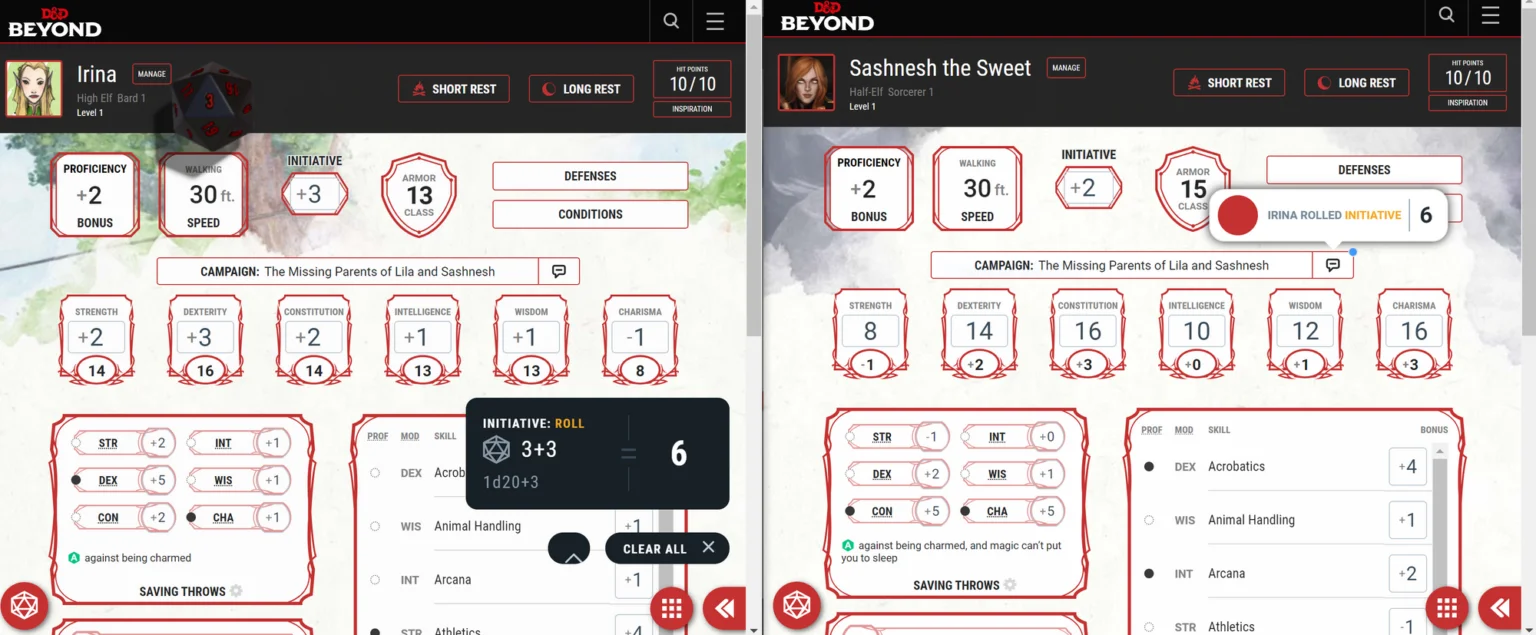
Ok but can we talk about how science has proven that facilitated gaming groups literally help autistic kids with social skills but parents are still freaking out about screen time? Because the research is RIGHT THERE. ## The Research Is Wild Real talk: A 12-session robot-assisted gaming program: - Reduced autism severity ✓ - Improved social skills ✓ - Helped with communication ✓ - Enhanced attention ✓ - Worked for ALL participants ✓ The way gaming is literally therapeutic and we've been calling it a waste of time 💀 ## No But Actually Though Studies found that serious game interventions can: - Improve social cognition - Help with social interactions - Teach eye gaze detection - Enhance communication skills - Improve attention and focus - Help with executive function Like... this is peer-reviewed science bestie, not a Reddit post. ## The Role-Play Thing Is Everything Role-playing games at camps for autistic teenagers led to: - Therapeutic reconfigurations of self - Transformation of social roles - Autism becoming a source of COMMUNITY instead of isolation - People finding their tribe Not gaming literally helping autistic people transform their relationship with their identity 😭 ## It's Giving Safe Space Gaming provides: - A platform for social interaction based on common interests - Meaningful social contact - Motivation to engage - Practice with social skills in a low-pressure environment - A way to connect without overwhelming sensory input The way gaming is literally giving autistic people what society often denies them: comfortable social connection. ## The Trans and Gender Diverse Youth Part This is HUGE: - Inclusive avatar design has protective effects on mental health for trans/GD youth - Gaming helps them feel better - Provides identity exploration in a safe space - Builds community - Offers representation Not gaming being more accepting than actual society 😭 ## The Specific Games That Work Research shows these games help: - **Caribbean Quest:** Improved attention and executive function - **Robot-assisted group games:** Reduced autism severity - **Mobile serious role-playing games:** Taught communication skills - **Eye-tracking social platforms:** Improved social cognition - **Digital museum installations:** Facilitated conceptual thinking and cooperation The variety is actually insane. Different games help with different skills. ## But Here's The Key It's not just letting kids play Fortnite alone in their room (although that can be fine too). It's **FACILITATED** gaming groups: - With trained facilitators - In social settings - With intentional structure - Including reflection and discussion - Connecting to real-world skills The facilitation is what makes it therapeutic, not just recreational. ## The Joint Attention Thing Robot-assisted gaming improved: - Joint attention skills - Social skills - Communication - Both for high-functioning and low-functioning autistic individuals The way this works across the whole spectrum is actually beautiful. ## It's Not Just Autism Gaming benefits for neurodivergent individuals include: - ADHD management - Anxiety reduction - Depression support - Social skills practice - Executive function development - Identity exploration Not gaming being a whole mental health intervention 💀 ## The Structured vs Facilitated Play Research comparing play types found: - BOTH structured and facilitated play help - But structured play led to MORE responsive communicative acts - Facilitated play increased spontaneity - Different approaches work for different goals So like... we need BOTH bestie. ## The School Implementation Digital installations in Danish schools: - Facilitated conceptual thinking - Improved cooperation - Helped with role-play - Worked specifically for autistic children and their teachers The way schools could be using this but aren't 😭 ## No But Fr Though The gaming industry has been pandering to neurotypical players forever, but when we create: - Inclusive designs - Sensory-friendly options - Social scaffolding - Flexible interaction methods Games become THERAPEUTIC TOOLS for neurodivergent individuals. ## The Bottom Line The math is simple bestie: - Gaming can literally reduce autism severity ✓ - It improves social skills ✓ - It helps with communication ✓ - It provides safe social spaces ✓ - It supports mental health ✓ - Research backs ALL of this ✓ But society is still like "screens bad" 💀 And maybe we could: - Fund more facilitated gaming programs - Train facilitators in therapeutic gaming - Make games more accessible for neurodivergent players - Stop stigmatizing gaming as a waste of time - Recognize gaming as a legitimate therapeutic tool - Create more inclusive gaming spaces - Actually listen to autistic people about what helps them Because the way we're out here with PROOF that gaming helps and still treating it like a problem? That's not very evidence-based, not very neurodiversity-affirming bestie. And that's the gaming science tea for today. Video games are literally helping autistic kids thrive and it's time we recognized that. ✨🎮
Systems Perspective
This isn't about individual failures - it's about systemic design. When we see harmful outcomes, we must ask: what systems enabled this? How can we redesign them to enable human flourishing instead?
Documentary Evidence
Human Impact
The consequences of these hidden systems affect millions of people daily. Understanding the scale helps us recognize the urgency of systemic change.
System Solutions That Enable Flourishing
💡 Path Forward
When we recognize that people aren't broken - systems are - we can focus our energy on designing better systems that naturally enable human goodness to flourish.
- Redesign incentive structures to reward public good over private profit
- Implement transparency mechanisms that make hidden systems visible
- Create accountability frameworks that ensure systems serve human flourishing
Sources & Citations
All investigations are backed by verifiable sources. Click to verify evidence.
- 1 Griffin et al. (2021) - JCPP Advances
Verified documentary source
- 2 Chien et al. (2023) - IEEE Transactions
Verified documentary source
- 3 Fein (2015) - Culture, Medicine, and Psychiatry
Verified documentary source
- 4 Morgan et al. (2020) - International Journal of Environmental Research
Verified documentary source
- 5 Multiple peer-reviewed gaming and autism studies
Verified documentary source